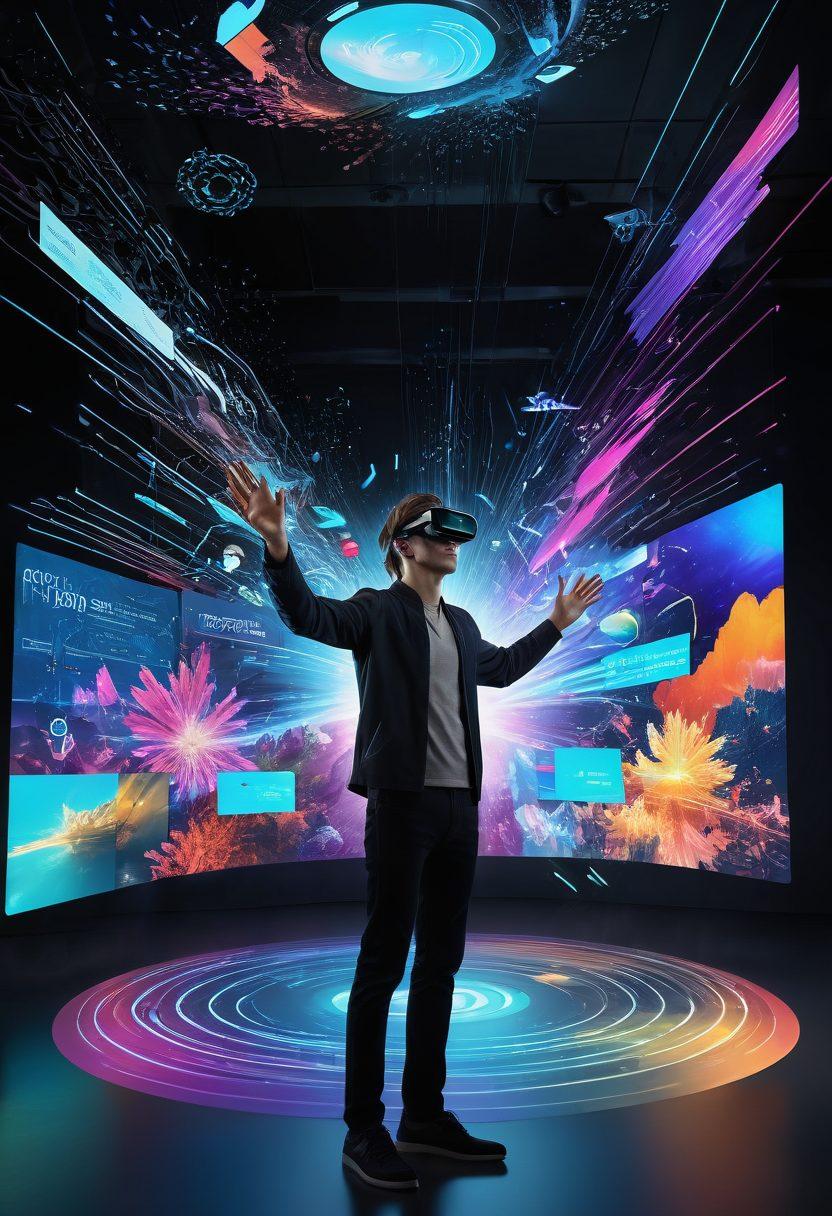
Exploring the Future of Software Development: How Emulators and Virtual Machines are Revolutionizing Tech Tutorials and Gaming Guides
In the ever-evolving landscape of software development, there lies a powerful force revolutionizing how we learn and interact with technology. The introduction of emulators and virtual machines has unraveled a new world of possibilities that empower both budding programmers and seasoned developers. Picture yourself diving into the fascinating realm of an application emulator, where digital replication of a system allows you to run software designed for different platforms without breaking a sweat. This innovation is not just transforming the software development process, but it is also breathing new life into tech tutorials and gaming guides, reinforcing their relevance in this fast-paced digital age.
Have you ever found yourself tangled in frustration, trying to install that intriguing piece of software only to discover it just isn't compatible with your system? Emulators stand as the knight in shining armor in these tricky situations. By simulating hardware and software environments, they provide us with an opportunity to transcend compatibility issues. This ability to create virtual environments opens the doors to endless possibilities for learning and experimentation, allowing developers to test new applications without the fear of damaging their systems. Can you imagine how much creativity is released when there's no limit to what can be explored?
Emulators and virtualization software have become the cornerstone of modern programming practices. They serve as indispensable development resources, providing a platform for how-to articles that guide users through the setup, configuration, and operation of a complex software environment. Whether you are a gamer excited to explore old-school video game emulation or a programmer eager to grasp the intricacies of a new language, these tech resources cater to a diverse range of interests. As the world continues embracing open-source emulators, budding developers are gifted with powerful tools that were once reserved for seasoned professionals. How can you leverage these tools to unleash your creativity?
The increasing reliance on tech tutorials and online journals shows just how integral these resources are in navigating the world of software development. Have you ever thought about what makes a tech tutorial effective? It isn't just about providing instructions; it's about encouraging a culture of learning and curiosity. By unraveling the complexities of coding and development processes, today’s tutorials beckon aspiring developers to dive in headfirst. They inspire individuals to experiment, fail, and ultimately persevere through the process, creating a new generation of skilled programmers eager to transform technology news into impactful tools of innovation.
As gaming software continues to evolve, the impact of emulators in tech and gaming guides cannot be overstated. They allow enthusiasts to not only revisit beloved classics but also to understand the coding secrets behind them. The merging of gaming and software development is forming a beautiful symbiosis where programmers are learning from the successes of the past while fostering innovations for the future. From detailed tutorial guides that navigate through these virtual realms to lively discussions in online communities, this fusion creates an atmosphere ripe for innovation. So, are you ready to embrace the wave of digital replication and step into the future of technology?
From Gaming Guides to Tech Tutorials: The Transformative Role of Virtual Machines
Imagine sitting at your desk, ready to dive into the latest tech tutorial or gaming guide, and the software you need is just a click away in a virtual environment. Welcome to the transformative realm of virtual machines and application emulators, where digital replication has redefined how we learn and engage with technology. As the digital landscape evolves, these powerful tools are not just for developers anymore; they're essential resources for anyone looking to expand their knowledge and skills. So, how exactly are virtual machines and emulators revolutionizing our approach to learning and playing? Let's explore this exciting intersection of software development, gaming, and education.
Remember the days when you’d pull up an online journal and spend hours trying to install a software tool just to run a simple tutorial guide? Well, those days are fading fast. With virtualization software, learners can now recreate an entire environment on their personal computers, making it easier to follow how-to articles and tech tutorials without the hassles of installation or compatibility issues. These environments act as simulators where you can practice programming, test software tools, and dive into development resources with zero risk to your main system. It’s like having an entire lab at your fingertips!
Whether you are an aspiring game developer or just passionate about video game emulation, the role of open-source emulators has skyrocketed in popularity. These tools allow enthusiasts to experience their favorite gaming software in a way that was once unthinkable. They unlock a treasure trove of classics, permitting you to relive your childhood while also learning how programming affects game development. Isn’t it fascinating how a simple shift in our approach to software can create new spaces for nostalgia and learning? With gaming guides that now leverage these emulators, players can not only play games but also understand the intricate mechanics behind them.
Tech resources available today offer an abundance of development opportunities. With the rise of blogging and content creation, many tech aficionados are crafting tutorial guides that include step-by-step instructions powered by virtual machines. This shift has made technology news more accessible than ever, as anyone with a passion for learning can contribute insights and discoveries from their experiments in virtual environments. The exciting part is that you don’t need to be a seasoned developer to share your findings; anyone can put pen to paper (or fingers to keys) and start blogging about their experiences with these innovative tools.
As we look toward the future, the potential for growth and innovation in tech tutorials and gaming guides is immense. The growing integration of virtual machines and application emulators not only makes learning easier but also encourages creativity and experimentation. So why wait? Embrace these cutting-edge technologies, and you might find yourself writing your own how-to articles, sharing the magic of software development with the world! Dive into the virtual revolution today and discover how the combination of tech and gaming can lead to endless possibilities. What will you create next?
Mastering the Future: How Digital Replication is Shaping Programming and Learning Resources
In an era where technology propels us towards new frontiers, the digital landscape is changing at a breakneck pace. The emergence of innovative tools like simulators and virtual machines has redefined the way we approach programming and learning resources. Imagine stepping into a world where tech tutorials and gaming guides come alive, enabling aspiring developers to tinker with code or test their skills without the fear of negative repercussions. This is the magic of digital replication—a realm where ideas thrive in virtual environments, becoming a playground for both novice programmers and seasoned developers alike.
As the saying goes, 'Imitation is the sincerest form of flattery.' But in the realm of software development, this imitation evolves into something much more impactful. With application emulators and open-source emulator projects on the rise, we've entered an age where learning resources are not only accessible but also highly interactive. Have you ever wondered how video game emulation can unlock classic titles right on your desktop? With the right software tools, the impossible becomes possible, turning yesterday's hits into today's learning experiences. The best part? Developers can dive into how-to articles and tutorial guides that accompany these virtual experiences, ensuring they understand the intricacies of what they’re doing.
Consider the remarkable potential of virtualization software. It allows tech enthusiasts to create multiple virtual environments on a single device, essentially allowing them to experiment freely. For instance, a budding software developer can use a virtual machine to replicate a production environment safely without risking disruptions to their primary system. How revolutionary is that? They can run, test, and break things in a secure space while documenting their journey in an online journal or a blogging format. This methodology inspires a new generation of developers to share their experiences and insights, offering invaluable tech resources to the community, inviting them into the discussion.
But let’s not forget the world of gaming. The fusion of tech tutorials with gaming guides is a match made in heaven. Imagine accessing a step-by-step guide on mastering a particular game while simultaneously using a simulator to practice your newfound skills. The blend of theory and hands-on learning drives engagement and retention in ways traditional methods can't touch. It's not just about playing games; it’s about understanding their coding, design, and logic. What better way for software developers to appreciate their craft than through interactive simulations?
As we look towards the future of software development, it’s clear that digital replication and the tools associated with it are here to stay. These advancements aren't simply conveniences; they represent a paradigm shift in how we approach learning. The fusion of programming with innovative resources and community-driven content has the potential to revolutionize both education and creativity in technology. So, are you ready to embrace this digital renaissance? Whether you're blogging about your experiences, creating tech tutorials, or learning through gaming software, the future is rich with possibilities. Join the movement towards mastering programming in ways we've only just begun to explore!